2 min read
What is a money market fund?
Learn how it works and what a company should consider before using it to manage surplus cash.
First: what is a fund?
An investment fund pools money from several investors in a shared portfolio, managed by professionals. That portfolio may include shares or bonds, for example, depending on the rules of each fund.
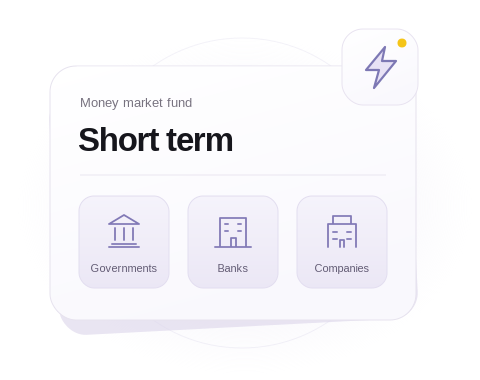
A money market fund is a type of fund that invests mainly in short-term debt issued by governments, banks or companies.
It may be an option to consider for part of a company’s surplus cash. Before deciding, the company needs to understand how much cash it must keep available and when.
How does it work?
When a company invests in a money market fund, it buys units: small shares of the fund’s portfolio. The value of the company’s investment follows the value of those units, which can rise or fall.
Why “money market”?
This is the market where governments, banks and companies borrow for short periods. The name refers to that short-term financing; it does not mean that a fund is the same as cash in an account.
Unlike an equity fund or a long-term bond fund, it aims to preserve the value of the investment and provide ready access to the money.
What should a company consider?
The comparison should start with the company’s cash needs and cover three factors:
- LiquidityWhen the company can withdraw and receive its money.
- CostsApplicable fees and charges.
- RiskThe investment policy and possibility of loss.
Term deposits: what is the difference?
With a term deposit, the company leaves money with a bank for an agreed period, such as three or six months. Withdrawing early may mean losing interest or may not be allowed, depending on the contract. The bank undertakes to repay the capital; if it cannot, the deposit guarantee scheme protects eligible deposits up to €100,000 per depositor, per institution.
A money market fund may offer a higher return than a deposit, but the comparison depends on each product’s rates and fees. For Numo Money Market, the stated withdrawal timeframe is one business day (T+1). This allows access to the money without waiting for a deposit term of several months to end.
Why diversify?
Diversification reduces reliance on a single bank. For a deposit above the protection limit (over €100,000), recovery of the excess depends on that bank’s ability to meet its obligations. A money market fund can spread its investments across short-term debt from several governments and other issuers with high credit quality, reducing exposure to any one entity. This diversification contributes to the money market’s low-risk profile.